


Technology journalism covers a wide range of needs, from a reader refreshing a page for the latest Apple announcement to someone searching for a deep investigation into surveillance software. The Verge has built its editorial structure around that range, treating tech news coverage as a category with distinct formats rather than one undifferentiated stream. Breaking news, long-form features, reviews, and commerce guides each serve a different moment in how people relate to technology.
Breaking News: The Verge’s Real-Time Technology Coverage
The fastest-moving part of any tech news coverage operation is the daily report on what companies just announced or shipped. The Verge‘s news desk tracks developments across hardware, apps, and software, with reporters like Emma Roth and Jay Peters covering device announcements as they happen. One example is the iPad Mini update, where Apple introduced a larger 8.5-inch OLED display along with a thinner, lighter body and slimmer bezels.
This kind of coverage moves quickly because the subject matter does too. A senior news editor and a roster of staff writers, including Stevie Bonifield, Jess Weatherbed, and Dominic Preston, work through stories on companies ranging from Google and Apple to much smaller startups. The goal of this layer of reporting stays simple, telling readers what happened soon after it happened.
Award-Winning Features and Investigations: Long-Form Storytelling at The Verge
Separate from daily news, The Verge produces longer investigative work that takes weeks or months to report. One example followed the surveillance company Flock into a West Virginia town, searching for residents who actually supported the technology, a story built on original reporting by Lauren Feiner. This format digs into consequences and context that a same-day news post cannot.
These features sit alongside reporting on broader industry shifts, such as pieces examining Netflix’s leadership changes or the spread of AI tools into retro gaming communities. Long-form work like this draws on a team that includes Editor-at-Large David Pierce and Senior Reports Editor Meredith Haggerty, whose roles exist specifically to shepherd longer projects. As a result, this kind of journalism explains not just what happened, but why it matters over time.
Reviews and Product Analysis: How The Verge Evaluates Technology
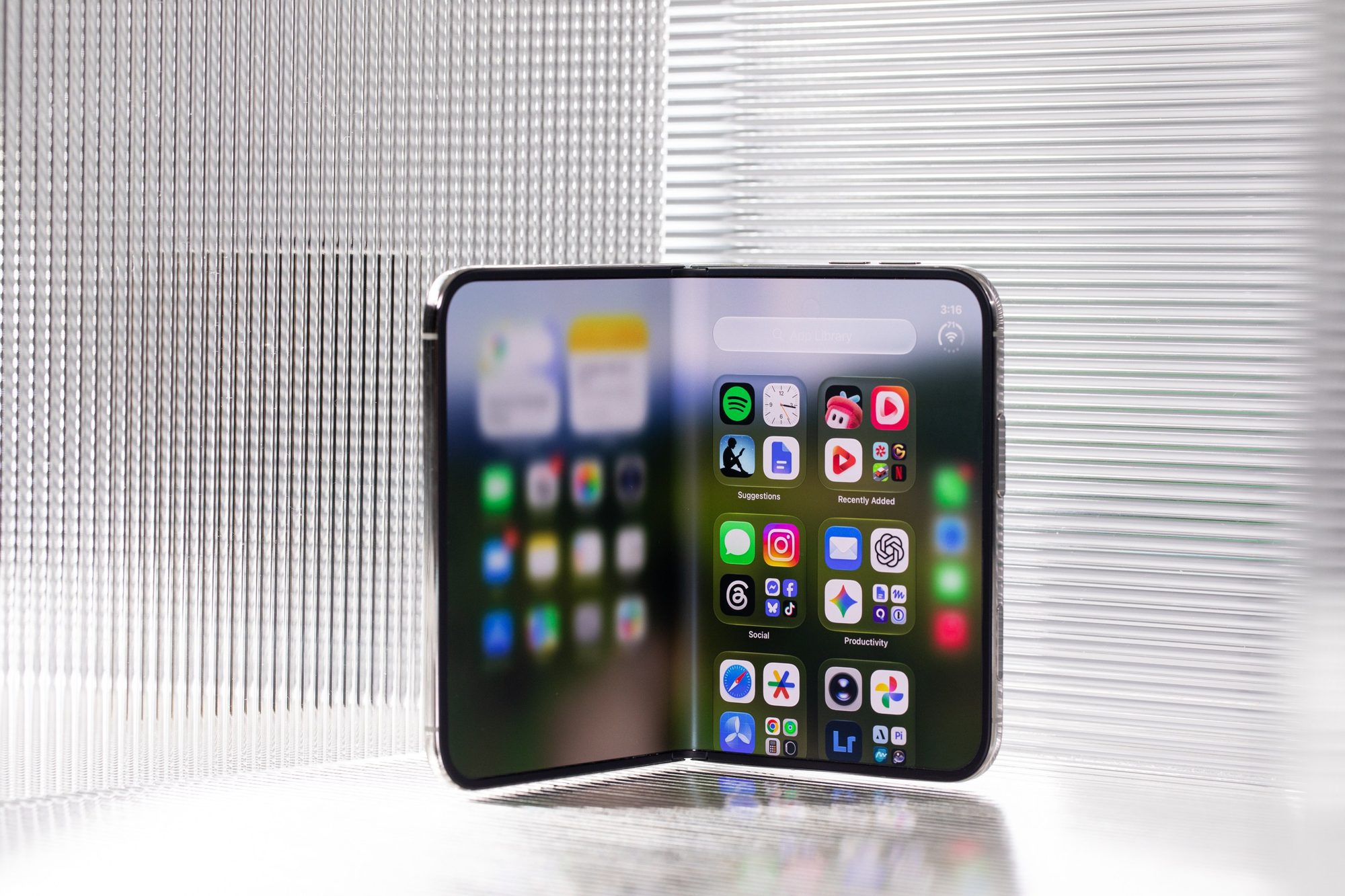
Reviews form another distinct branch of the site’s output, led editorially by Nathan Edwards as Senior Reviews Editor. A review of Apple’s first foldable device, described by writers Nilay Patel and Allison Johnson as a messy, expensive good time, shows how this format differs from a news post. Instead of reporting an announcement, the review weighs the device against daily use and asks whether the experience justifies the early-adopter premise.
This evaluative layer also stretches into comparison pieces, such as a report arguing that the so-called iPhone Duo is not the small-phone successor some had hoped for. Reviews depend on hands-on time with a product, which is why they typically appear after the breaking news cycle has already moved on. That gap between announcement and verdict separates a review from a straightforward news item, and it is one reason readers return to this corner of tech news coverage specifically for judgment rather than speed.
Verge Favorites and Buying Guides: Commerce-Focused Editorial

Beyond individual reviews, a commerce-focused editorial team operates alongside the newsroom, led by Todd Haselton as Deputy Editor for Reviews and Commerce, with Senior Commerce Editor Brandon Widder and Commerce Editor Cameron Faulkner. This side of The Verge centers on buying guides and recommendation roundups rather than single-product verdicts. These pieces compare options across a category instead of judging one device in isolation.
The distinction matters for readers trying to make a purchase decision rather than simply staying informed. A news story tells someone a product exists, while a buying guide tells someone which option might fit a particular need among several alternatives. That difference in purpose is exactly why commerce editorial sits apart from both news and reviews in the outlet’s structure.
- Breaking news reports tell readers what a company just announced or shipped, often within minutes of the event.
- Investigative features spend weeks or months examining the consequences of a technology on a community or industry.
- Reviews offer hands-on judgment of a single product after real use, rather than a first impression.
- Buying guides compare multiple products side by side to help someone choose among alternatives.
- Video and podcast segments let staff explain stories aloud, adding a format beyond the written article.
Video and Podcast Content: The Verge Beyond the Article
Not every story fits neatly into text. The Verge also produces video and podcast programming, extending its reporting into formats that let audiences hear from staff directly rather than only reading their conclusions. This matters for coverage of live product announcements, where video can show a device in motion in a way a written description cannot.
Podcasts allow editors and reporters to discuss a story’s context at greater length than an article typically allows. A conversation about a foldable phone review, for instance, can cover nuances that did not make it into the published text. In addition, these formats give the newsroom another way to reach audiences who prefer listening or watching over reading.
The Verge Shopping: Where Editorial Meets E-Commerce
The commerce team’s output connects directly to shopping decisions, turning editorial judgment into something actionable at the point of purchase. Rather than existing purely as opinion, a buying guide or favorites roundup is built to sit next to a shopping decision a reader is about to make. This is where product analysis and commerce intersect most directly within the wider structure of tech news coverage, and it is a space The Verge treats as distinct from a simple review.
That intersection does not replace the reporting and review work described earlier, it builds on it. A product first appears in breaking news, later receives a full review, and may eventually show up in a buying guide once there is enough comparative data. Each stage depends on the work that came before it, which is part of why the outlet separates these functions rather than blending them into one generic post.
Technology coverage keeps shifting in form, but the underlying need stays the same. People want to know what happened, what it means, and what to do about it. Separating those three jobs, rather than collapsing them into a single post, is what gives this kind of journalism its range.