

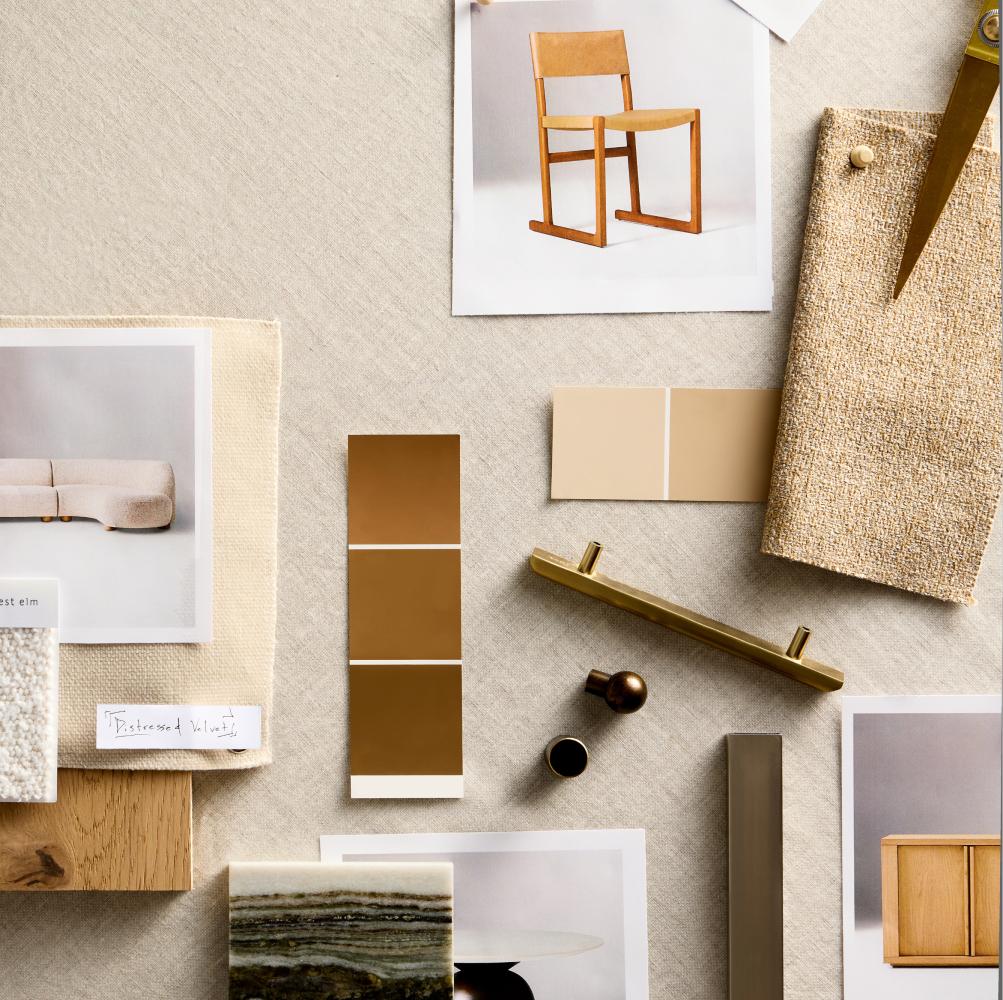
Choosing between contemporary sofas sectionals for a living room often comes down to three practical questions: what the piece is made of, how it fits the space, and whether it offers anything beyond seating. West Elm carries a broad range of upholstered sofas and sectionals, and the differences between them are mostly a matter of material, modular configuration, and storage integration. Understanding those distinctions in advance makes comparing options far more straightforward than browsing by look alone.
West Elm Contemporary Sofas: Upholstery and Frame Materials
West Elm’s seating range spans several upholstery finishes, from woven fabrics to performance textiles designed for everyday households. Frame construction varies by collection as well, with some lines favouring a lower, wide-armed silhouette while others lean toward a tailored, narrow-arm look. Because the brand operates both a retail range and a contract furniture programme, the same silhouette can sometimes appear in different fabric or leg finish combinations depending on the collection. This variety is part of why comparing contemporary sofas sectionals within the same retailer still requires checking individual product pages rather than assuming uniformity.
Sectional and Modular Configurations in the West Elm Range
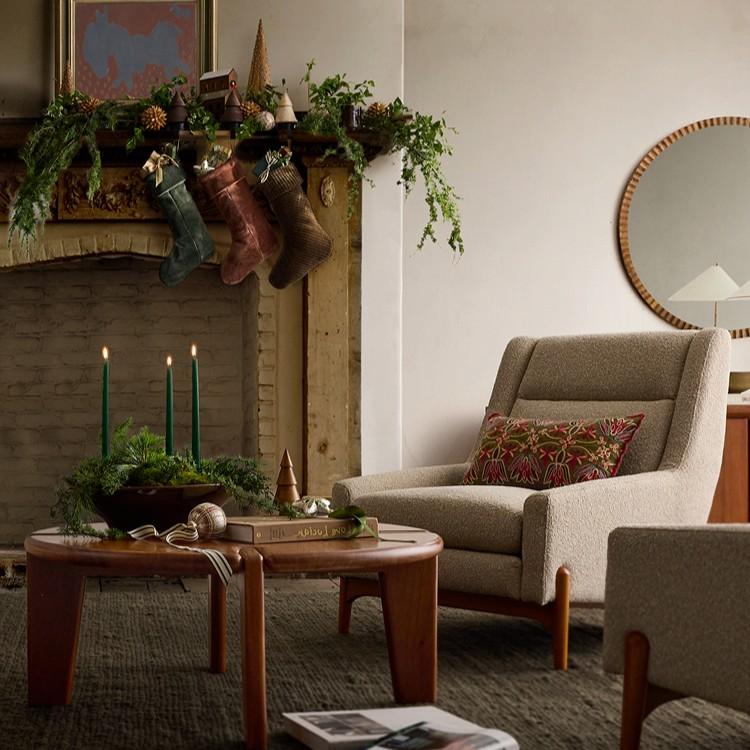
Sectionals within the West Elm catalogue are generally built from modular pieces, meaning armless units, corner units, and chaise sections can be combined into different layouts. This modularity is what separates a sectional from a fixed-arm sofa, since the individual components can often be rearranged as a room’s layout changes. For larger living areas, a chaise-ended configuration adds lounging length without requiring a second sofa. Smaller apartments, on the other hand, tend to suit a compact two-piece sectional or a single sofa with a matching accent chair instead.
Storage-Integrated Seating Options
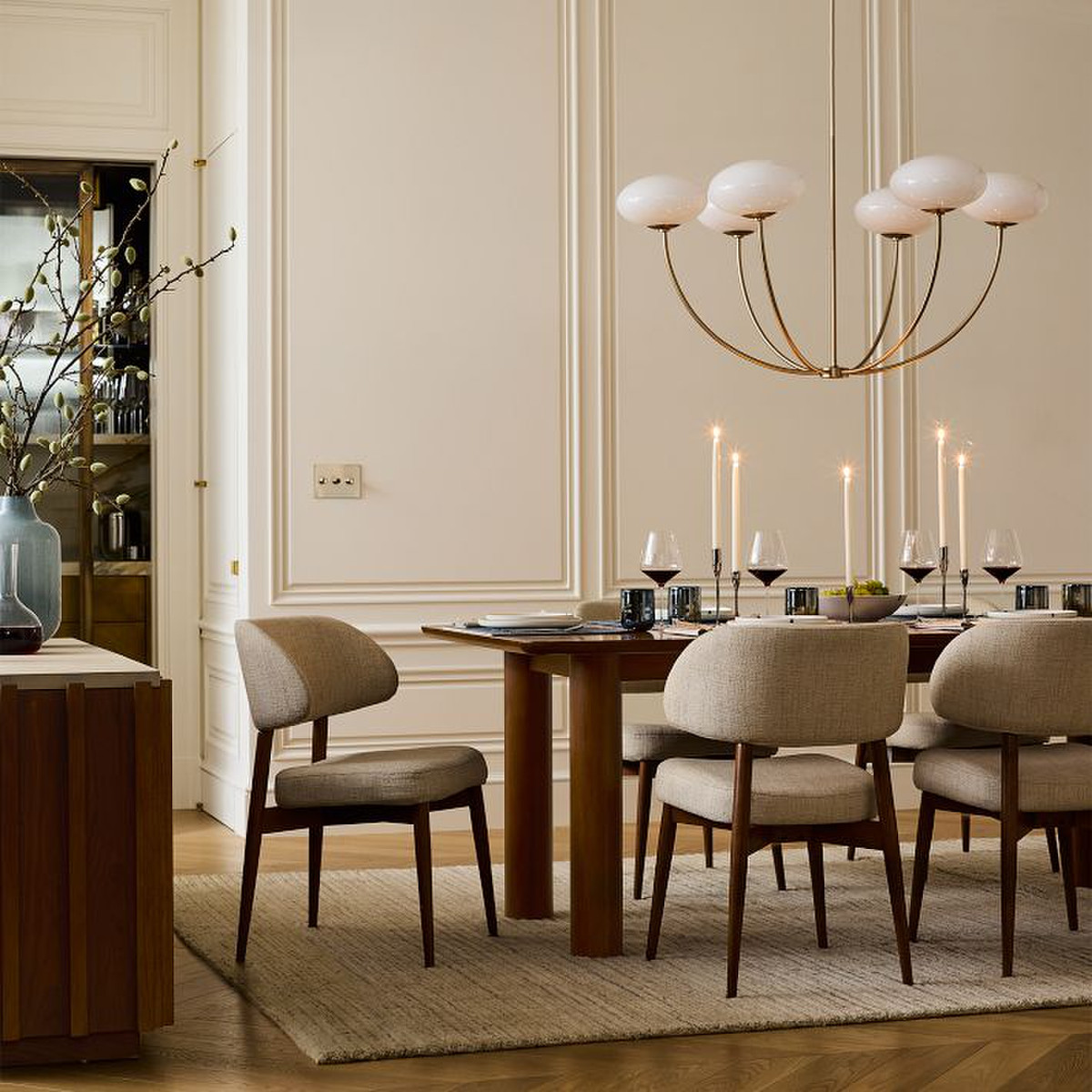
Some seating lines fold practical storage into the design, typically through a lift-top chaise section or a hidden compartment beneath the seat cushions. This kind of integration is most useful in smaller rooms where a separate storage ottoman or sideboard is not practical. West Elm‘s contract furniture and interior design services extend beyond single pieces, too, which means storage-oriented seating can sometimes be specified as part of a broader room plan rather than bought in isolation. For households weighing contemporary sofas sectionals against more traditional designs, storage integration is often the deciding factor rather than appearance alone.
Fabric Selection and Durability Across West Elm Sofas
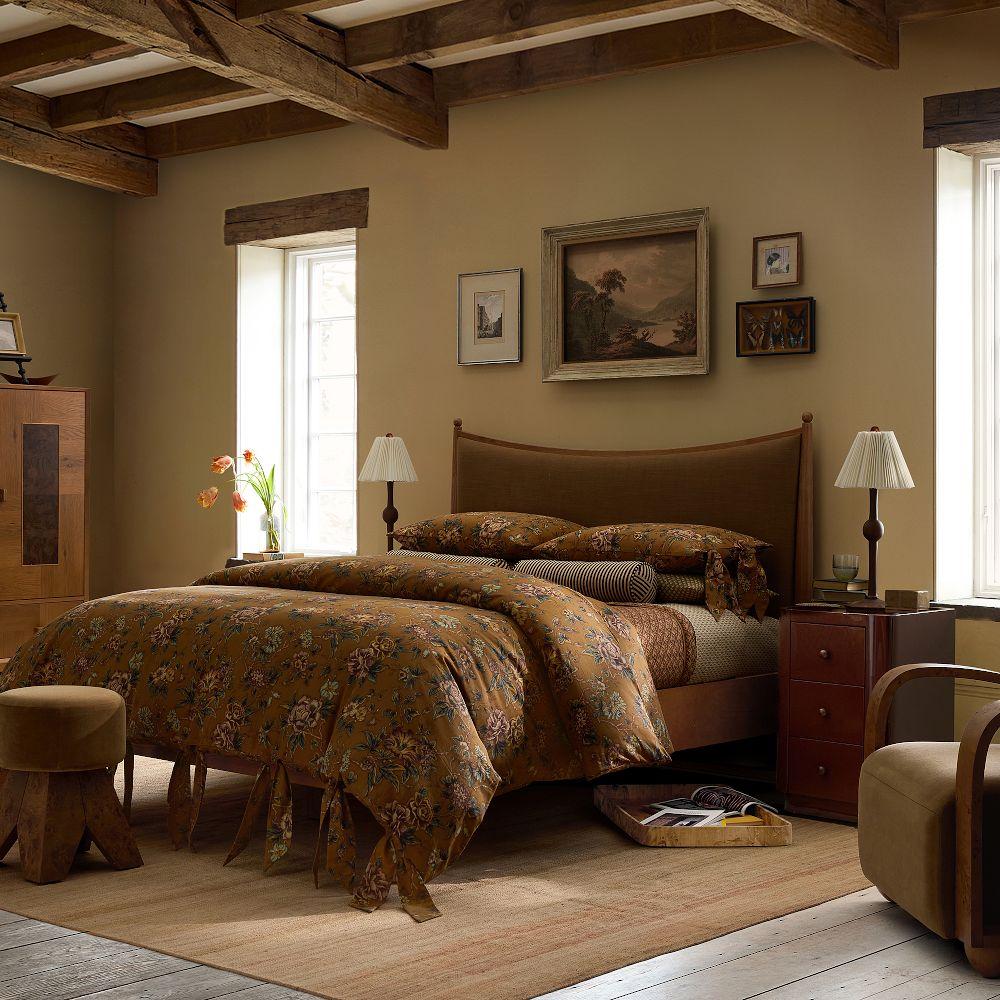
Fabric choice affects both the look and the practical upkeep of a sofa, and West Elm offers a mix of textures across its collections, including performance weaves, linen blends, and velvet options. Each material behaves differently under daily use, so the following list outlines the main categories available and what they generally require in terms of care.
- Performance fabric upholstery is woven to resist everyday spills and generally needs only light spot cleaning with a mild solution.
- Linen-blend upholstery has a relaxed, textured finish but tends to show creasing more readily than tighter weaves.
- Velvet upholstery offers a denser pile and a more formal appearance, though it can mark temporarily if brushed against the grain.
- Leather and faux-leather options resist everyday spills well but can be more sensitive to direct sunlight over time.
- Removable, washable slipcover fabrics allow the cover itself to be taken off for separate cleaning, which some other upholstery types do not allow.
Because these materials respond differently to daily life, matching fabric type to a household’s actual routine is often more important than matching it to a colour scheme. A family with young children or pets may lean toward performance fabric or leather, while a quieter adult household might prioritise the look of velvet or linen instead.
Sizing and Space Planning for West Elm Seating
Space planning starts with measuring the room, but it also means accounting for doorways, stairwells, and hallway turns that a delivery team will need to navigate. Sectional pieces, because they arrive in separate modules, are often easier to manoeuvre into tight spaces than a single large sofa frame. That said, even modular pieces have size limits, so confirming individual component dimensions against a floor plan remains a necessary step. West Elm‘s product pages typically list dimensions per module, which allows a sectional to be planned piece by piece rather than as one fixed block.
Open-plan living areas often benefit from an L-shaped or U-shaped sectional that can visually divide a space without adding walls. Narrower rooms, by contrast, tend to work better with a standard three-seat sofa paired with a single accent chair. In either case, leaving clearance for walking paths and door swings keeps a room functional rather than just visually balanced.
Care and Maintenance for Different Upholstery Types
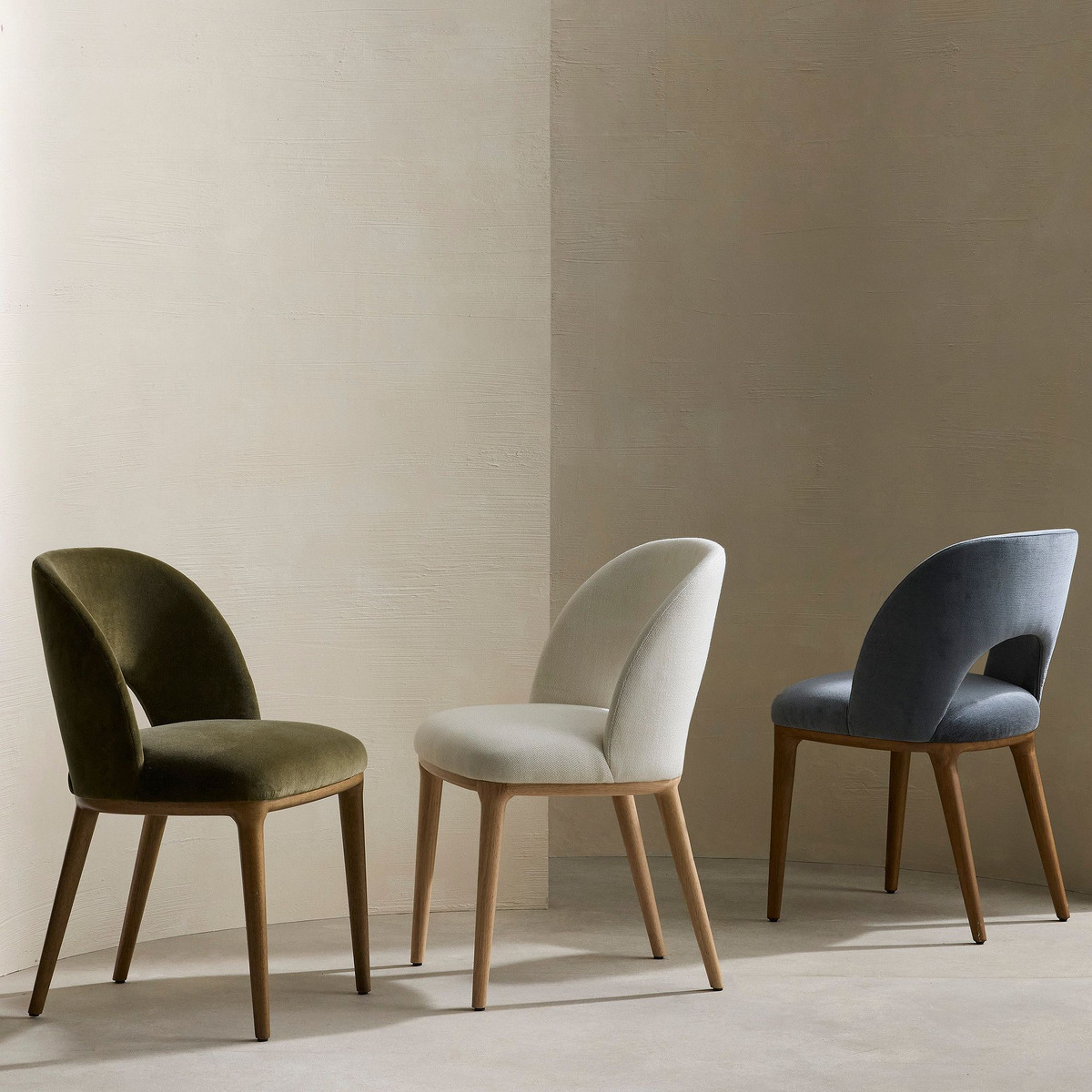
Ongoing maintenance largely follows from the fabric decision made at purchase. Performance and leather upholstery generally tolerate routine wiping and light vacuuming, while woven textiles such as linen or velvet often call for manufacturer-specific cleaning codes to avoid damaging the fibres. Rotating seat cushions periodically helps distribute wear evenly across a sofa or sectional, regardless of the fabric chosen. West Elm lists care instructions on individual product pages, and following those specific guidelines rather than generic upholstery advice is the more reliable approach for any given piece.
Across the range, the throughline is that contemporary sofas sectionals are rarely interchangeable once material, configuration, and storage needs are factored in together. Matching those three elements to a room’s actual layout and daily use tends to matter more than choosing by appearance alone.