


Velvet upholstery mistakes tend to start with assumptions rather than facts. Homeowners often judge a sofa or bench by how it feels in a showroom, without understanding what the fabric is actually made of or how it behaves over time. Misreading care labels, placing pieces in the wrong light, and skipping proper maintenance all contribute to the same frustrating outcome: a piece that looks tired long before it should. Lulu and Georgia offers both classic and performance velvet across its furniture lines, which makes understanding these distinctions especially relevant.
Velvet Isn’t Delicate: Dispelling the Myth of Fragile Luxury Fabrics
Many shoppers assume velvet belongs in a formal room nobody actually uses. That reputation comes from older mohair and silk velvets, which were genuinely high-maintenance. Modern velvet weaves, including cotton and synthetic blends, are considerably more forgiving in daily life. The Portola Pleated Sofa from Lulu and Georgia, offered in Mahogany Classic Velvet, shows how a tailored silhouette and velvet construction can coexist with everyday living room use.
Treating every velvet piece as untouchable is one of the more common velvet upholstery mistakes homeowners make. That overcaution often leads to under-use of a sofa or bench, not better preservation of it. A pleated skirt or slope-arm detail is a design choice, not a signal that the fabric itself needs special handling beyond ordinary care.
Performance Velvet vs. Classic Velvet: Why Composition Matters More Than Feel
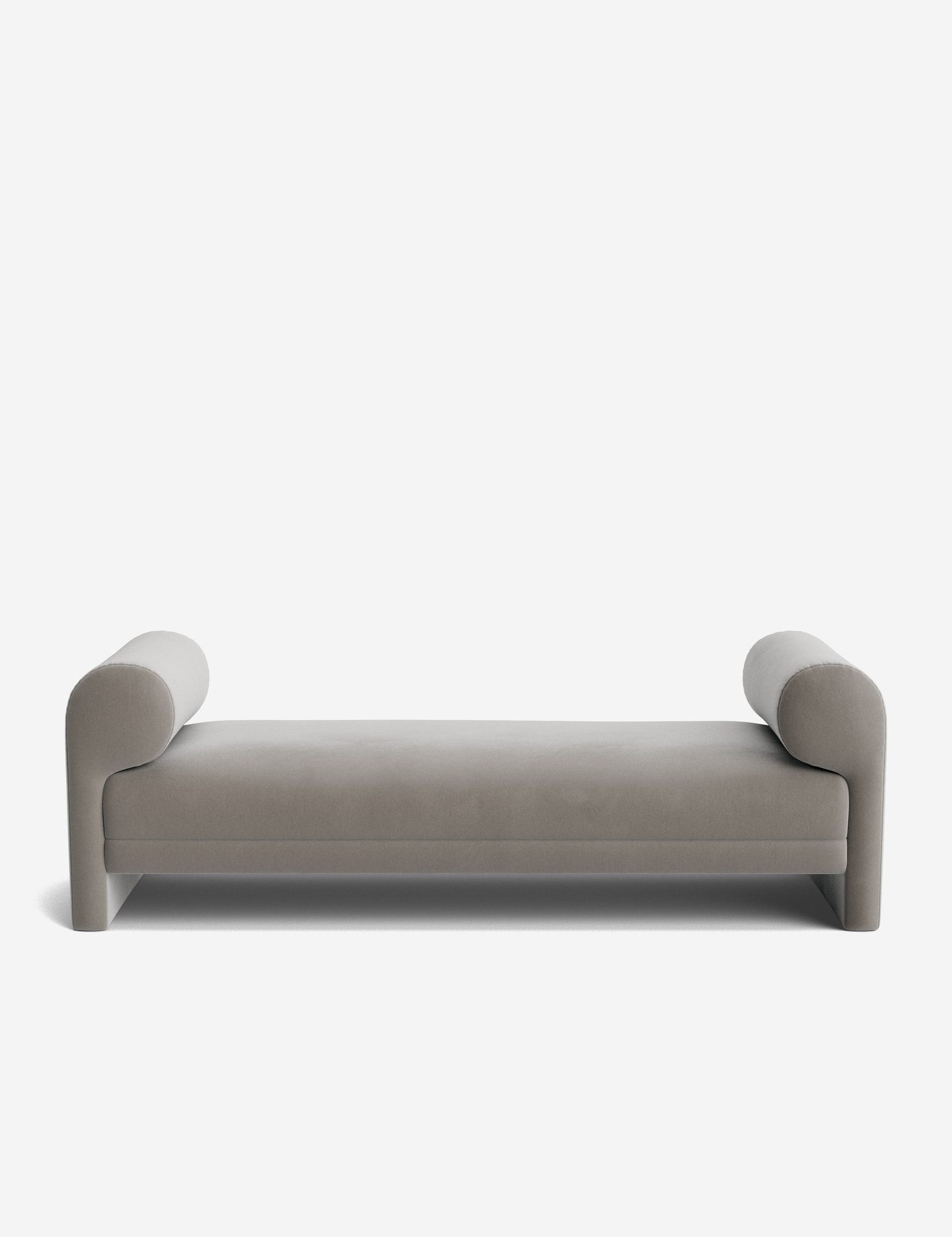
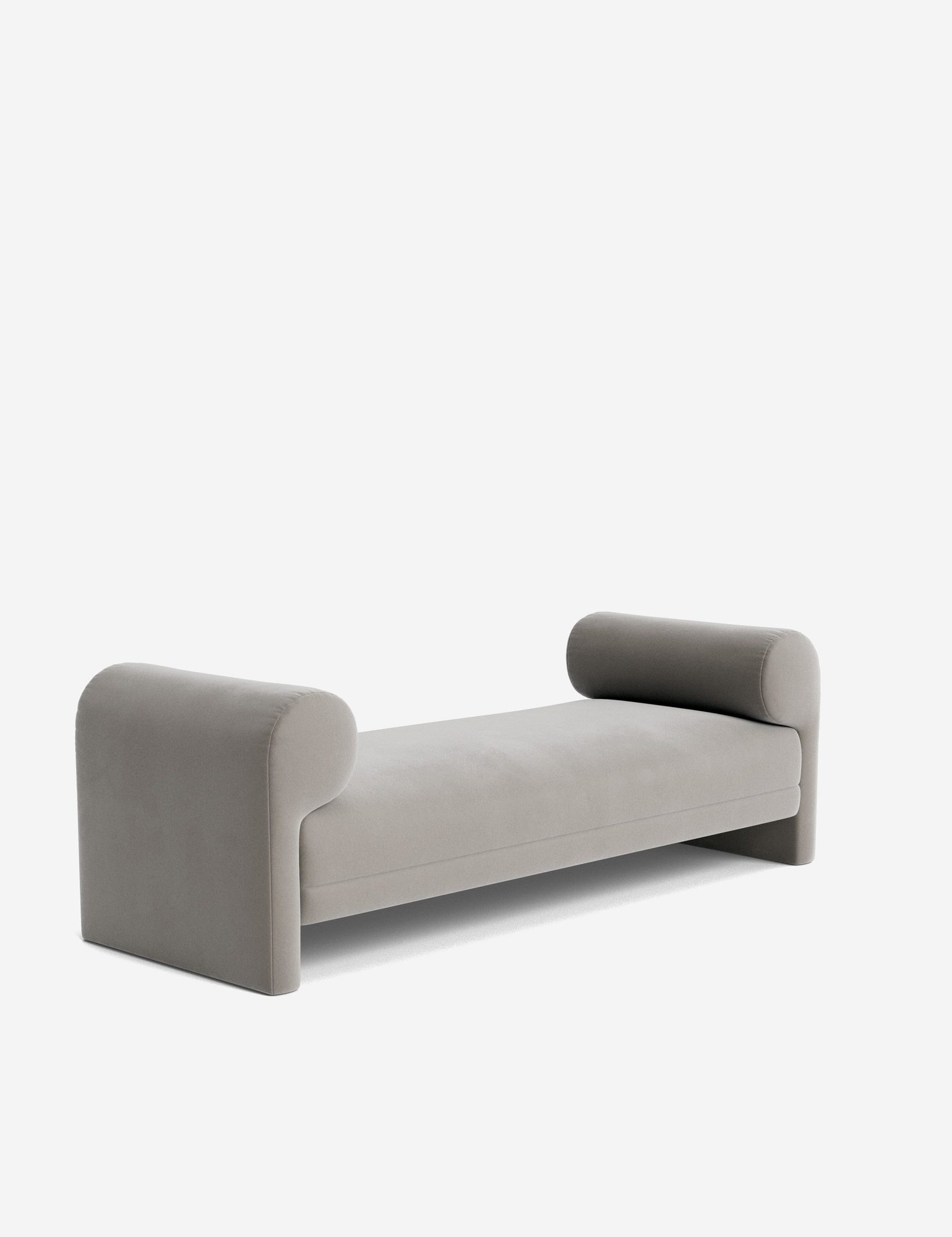
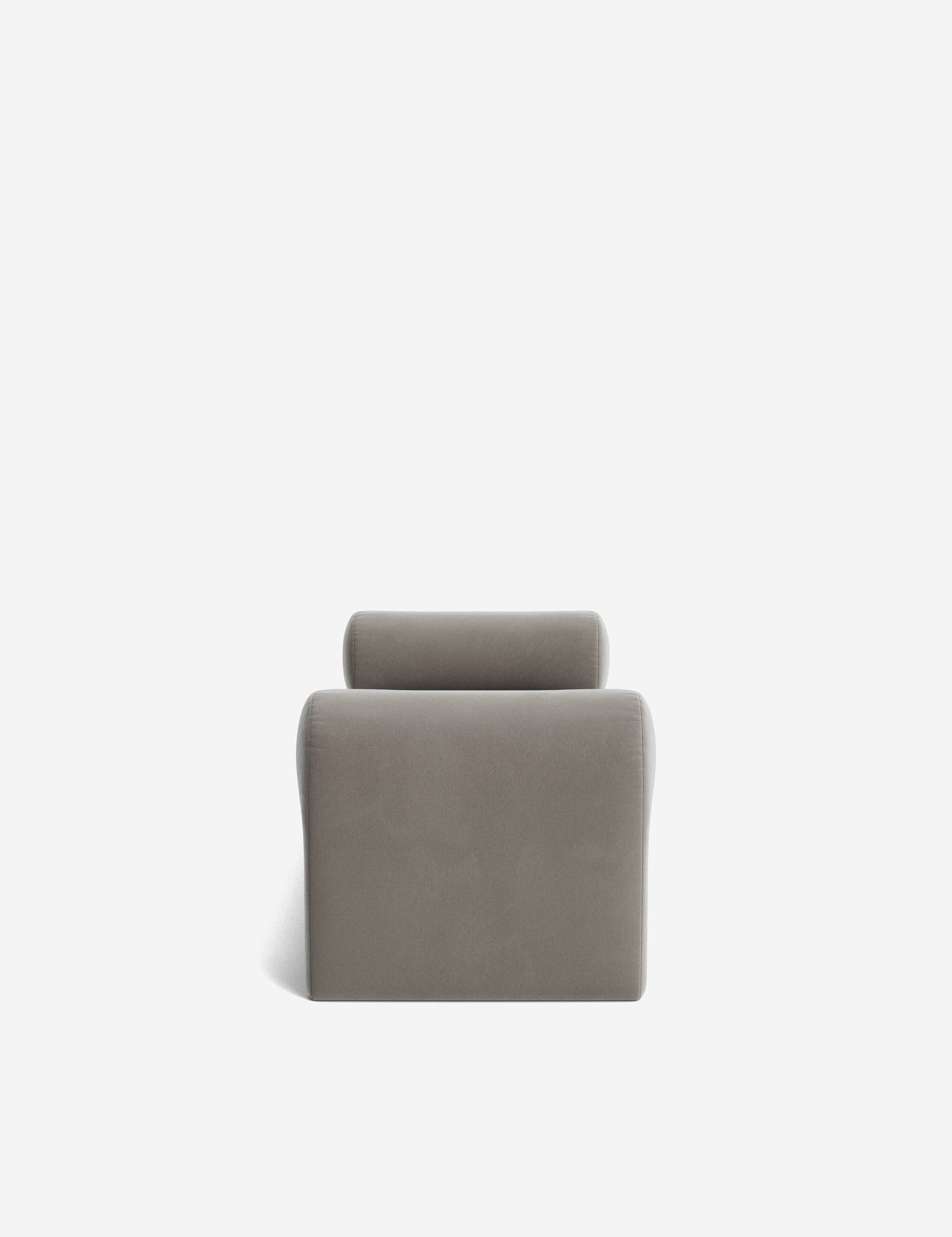
Performance velvet and classic velvet can feel nearly identical to the touch, which is exactly why confusion happens. The difference lies in fiber composition and weave, not in softness or sheen. The Carson Bench, available in Mineral Performance Velvet, and the Shaw Corner Sectional Sofa, available in both Chambray Crypton Nomad and Blush Performance Velvet, illustrate how Lulu and Georgia applies performance textiles to pieces meant for frequent use.
Assuming a fabric’s feel predicts its behavior is one of the most persistent velvet upholstery mistakes in furniture shopping. A classic velvet sofa and a performance velvet sofa may sit side by side in a showroom looking almost the same. However, their composition determines how each handles spills, friction, and daily wear over time.
The Pilling Problem: Velvet Texture Changes and What Actually Causes Them
Pilling is frequently blamed on poor fabric quality, but friction and abrasion are usually the real cause. Pets, sliding cushions, and even rough clothing fabric can create small fiber knots on a velvet surface. This happens on both classic and performance velvets found in the Lulu and Georgia furniture collection, though the weave type can influence how noticeable it becomes.
Misunderstanding pilling as a manufacturing flaw is another velvet upholstery mistake that leads to unnecessary frustration. In many cases, gentle fabric shaving or brushing addresses the issue without harming the pile underneath. Recognizing pilling as a normal texture change, rather than damage, helps set realistic expectations for any velvet piece.
Direct Sunlight and Color Fading: How Homeowners Misunderstand Fabric Placement
Sunlight exposure is one of the simplest factors to control, yet it is routinely overlooked when furniture gets arranged. Velvet fibers, like most upholstery textiles, can shift in color tone when exposed to prolonged direct light. Placement near a south-facing window might look ideal for a photograph, but it accelerates fading over time.
Deeper tones such as mahogany or mineral can show fading less obviously at first, which sometimes causes homeowners to delay rotating or repositioning a piece. That delay compounds the problem rather than solving it. Considering light exposure during the planning stage, not after color changes appear, prevents a common and easily avoidable issue.
Upholstered Bed Frames and Accent Chairs: Misconceptions About Seat Construction and Firmness
Firmness is often mistaken for an indicator of comfort quality, when it mostly reflects the internal frame and cushioning choices. The Adara Bed, with its winged headboard, and the Nabiha Platform Bed, with its lower rounded profile, both come from Lulu and Georgia and use upholstered construction, differing in silhouette rather than in some uniform firmness standard. Accent chairs follow a similar pattern, where seat depth and frame design shape the feel more than the fabric choice does.
Assuming all upholstered seating behaves the same way regardless of fabric is a related oversight. A velvet-upholstered bed frame is chosen primarily for its visual line and tailored look, not for a specific firmness guarantee. Separating fabric decisions from structural decisions leads to more realistic expectations when selecting a piece.
Professional Cleaning Versus Spot Treatment: When DIY Care Backfires on Luxury Pieces
Spot cleaning feels like the safest first response to a spill, but it can also be where damage begins. Using the wrong solvent, scrubbing too aggressively, or applying excess water can push a stain deeper into the pile instead of lifting it out. This is particularly true for classic velvet, which reacts differently to moisture than performance velvet does.
Many of the velvet upholstery mistakes made at home trace back to treating every fabric the same way during cleanup. Professional cleaning services understand how to match a treatment method to the specific textile, whether that is a performance weave like the one on the Shaw Corner Sectional Sofa or a classic velvet like the one on the Portola Pleated Sofa from Lulu and Georgia. Knowing when a stain calls for professional attention, rather than a quick at-home fix, protects the fabric over the long term.
- Vacuuming velvet with a standard rotating brush attachment can crush and flatten the pile instead of lifting dust out of it.
- Rubbing a stain with a cloth, rather than blotting it, often spreads the mark further into the weave.
- Using household cleaning sprays not labeled for upholstery can discolor or stiffen a velvet surface.
- Skipping routine dusting and only cleaning after a visible stain appears allows grime to build up in the fibers.
- Ignoring manufacturer care tags and treating every velvet piece with the same cleaning method overlooks differences between classic and performance textiles.
- Delaying professional cleaning for years, rather than scheduling it periodically, lets minor stains set in permanently.
Luxury upholstery is less about fragility and more about informed handling. Understanding fabric composition, light exposure, and cleaning methods turns guesswork into confident furniture care.